

GAME ON: THE SAFE ONLINE GAMING EXPERIENCE
It is far beyond midnight, but 16-year-old Aisha remains stuck on her phone. “Just one more match…” she mumbles, half-asleep. Does this sound familiar?

This is a sight we have seen in real life all over Kenya and beyond our borders. On the plus side, online gaming connects young people to friends, fun and even potential futures.
On the flip side, unregulated play can result in negative impacts/problems. For sure, a Kenyan study found 81.5% of young adults showed signs and symptoms of excessive internet use, and much of those hours are spent gaming. With Kenya’s Ministry of ICT even considering gaming as a way to job creation and youth empowerment, it is clear that the country is committed to gaming. But whether our teenage children are shooting for that champion level or just curing themselves against boredom, it is important to create conducive environments that make the gaming secure.
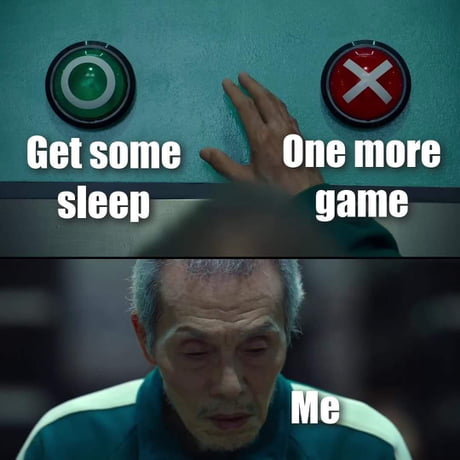
 We have all seen this split-second joke, but for a child it can turn into reality. The African gaming market is booming. Some can say it has exploded with Kenya among the fastest-growing scenes, and with it come real risks. Parents report children skipping meals or studies for just one more level – they call it “grinding or leveling up”. Educators in different schools have reported noticing students dozing off or zoning out after late-night gaming .
World research bears it out: WHO reports that an estimated 1 in 6 adolescents globally have been, oftentimes in chat while playing video games online. And WHO warns young people can spend up to six hours a day on the internet, a screen marathon video games have no difficulty inducing. All this means gaming is fun for Kenya’s young people, but leads them into cyber danger.
If we can put this in perspective in terms of actual platforms when it comes to: Gamers, Friendships, AI integrations and risks/harms.
🎮 Gamer Statistics (2025)
Roblox
- Daily Active Users (DAU): 111.8 million [Top Statis…cs Insight]
- Monthly Active Users (MAU): Over 380 million
- Demographics: 50% of U.S. children under 16 play monthly; 51% male, 44% female, 5% non-binary
- Engagement: 73.5 billion hours played in 2024; average 2.6–3 hours/day
- Developer Economy: $923 million paid to creators in 2024 [Top Statis…cs Insight]
Fortnite
- Registered Users: 650 million [Fortnite S…mographics]
- Daily Active Users: 60 million
- Monthly Active Users: 110 million
- Demographics: 62.7% aged 18–24; 26% of preteens under 13 play; 89.7% male
- Engagement: 6–10 hours/week on average
- Revenue: Over $40 billion total; $20 billion in 2022 alone [Fortnite S…mographics]
Call of Duty
- AI Moderation Impact: 43% drop in disruptive voice chat since January 2024 [AI in game…vision …]
- AI Usage: Generative AI used for in-game assets like concept art and cosmetics in titles like Black Ops 6 and Warzone [Activision…Duty Games]
🧑🤝🧑 Social Interaction & Friendships
- 72% of teens say they play games to spend time with others [Teens say…t some …]
- 47% met a friend online through gaming
- 41% say gaming improved teamwork skills
- Platforms like Roblox and Fortnite are now digital playgrounds where friendships are formed and social skills are practiced [Teens say…t some …]
However, risks are significant:
- Roblox, Fortnite, GTA, and Call of Duty all allow real-time chat (text or voice), which can expose children to predators [Child Pred…ids – Gabb]
- 500,000 predators are estimated to be active online daily targeting children aged 12–15 [Child Pred…ids – Gabb]
-
- Set firm time limits. Use your phone alarm or game console settings to remind yourself to stop.Bullying and harassment are common: 80% of teens report bullying in gaming environments [Teens say…t some …]
🤖 AI Integration in Games
Roblox
- AI tools allow users to generate 3D objects and avatars
- New feature “Moments” lets users (13+) share gameplay videos
- All AI-generated content is moderated, but lawsuits allege safety gaps [Roblox ann…y concerns]
Fortnite
- AI NPCs like Darth Vader now interact with players using voice AI
- AI is used to personalize gameplay experiences, but moderation is less transparent
Call of Duty
- Uses ToxMod AI to monitor voice chat for toxicity
- Can detect tone and context
- 67% reduction in repeat voice chat offenders [AI in game…vision …]
- AI-generated assets are used for concept art and in-game items
- Raises concerns about quality and oversight (e.g., six-fingered zombie) [Activision…Duty Games]
⚠️ Are AI Features Beneficial or Dangerous?
Benefits
- Moderation tools like ToxMod help reduce toxicity and protect younger players
- AI-assisted creation empowers users to build games and assets faster
- Personalized experiences can enhance engagement and learning
Risks
- Predator exploitation through chat and voice features remains a major concern
- AI-generated content may bypass human oversight, leading to inappropriate or unsafe elements
- Transparency issues: Players and parents often don’t know what’s AI-generated
Gaming’s Dark Side: Real Risks for Players
Gamers have a double-edged blade. Virtual football fun and multiplayer fighting can conceal latent dangers:
- Addiction & Screen Overload.
Not kidding, video game addiction can hijack daily life. Researchers found over 80% of college-aged teenagers displayed at least mild internet. In the real world, this means teens evading chores, overlooking assignments, or lying about the amount of time they’ve spent playing. One local counselor quips that Kenya now has more internet addicts than drug addicts. Too much gaming is added to screen time as well: experts (via Kenya’s CBT Kenya) recommend that children keep recreational screen time to 2 hours dailycbtkenya.org (TV, phones and games added together). Exceeding that can disrupt sleep, school grades and even health. (Kenyan doctors have noted childhood obesity rising as playtime outdoors declines.) As CBT Kenya so aptly puts it: “Not everybody who plays a lot is addicted – but for 1 in 10 children, it becomes a real problem”cbtkenya.org.
- Cyberbullying, Online Harassment & Toxic Chat.
Games are not fun and games. Forums and chat in games can get nasty. Players – including strangers – can demean each other, gossip, or bully other players online. This is not hearsay: cyberbullying increases with gaming popularity. In a recent WHO survey, 15% of teenagers have been. Think of a teenager gaming on Roblox or Fortnite only to be mocked for failing to fire a shot or because she or he is a girl. There are instances from schools of incidents of online bickering among peers spilling into daily life: “She insulted me noob in game chat so I confronted her at school”. These cyberbullying insults (often made in the form of jokes) can be hurtful to self-esteem or lead to fights. And with kids spending hours of playtime online gaming, the impact is multiplied: WHO highlights six hours of online play can leave even casual bumps of bullying to have profound effects on.
- Age-Inappropriate Content.
Some games or chats expose kids to adult material. Graphic games, forbidden content, or even hidden links in game chats can lead to pornography, profanity or hate, extremist propaganda. For example, a teenager playing a game might click on a “suspicious cheat” hyperlink that can lead them to explicit material or worse. Schools have found that unsupervised learners sometimes see adult content or hate material through supposedly “safe” children’s games or social media. Parents cite tales of cyber “friends” that try to get their children into private chats or mean memes. It is a crazy world out there.
- Financial Scams & Gambling.
Think gaming is harmless entertainment? Think again. Cheats increasingly target gaming websites. Kenya’s gaming sector was the trendsetter as the number 1 opportunity in TransUnion’s 2025 fraud report, with 12.9% of attempted fraud directed at online gaming. That is more than banking or travel. One common scam: masquerading giveaways or cheat tools. A teenager chasing a hard-to-obtain in-game skin might click on a spoofed “free loot box” URL and find themselves divulging M-PESA details. Kenyan teenagers have lost money to fakes selling eSports tickets and gambling scams (“win big coins if you pay 200 shillings first”). Even loot-box mechanisms in certain games can “bet” kids using their allowance funds.
Safety Tips for Teen Gamers
 Gamers, level up your security! Do not let enjoyment turn to anxiety. Fast tips for teens:
Challenge: treat gaming like homework – set a “play timer” and stick to it.
- Take breaks and get moving. Stretch, walk or hydrate after each game or hour. Have friends over to play soccer or hoops – so gaming does not chase all physical play away.
- Employ privacy settings. On every game/app, employ the privacy controls built-in. Accept friend requests from real friends only. Report and block abusive people. Do not send private messages to strangers.
- Do not over-share. Never post personal details (school name, home address, full name) in chat. Avoid links or downloads that are offered in game – they could include viruses or scams.
- Say something. If you are being bullied or if you see a scammer, let a parent or teacher know. Games have report buttons; use them. You are not snitching – you’re keeping everyone safe.
Tips for Parents & Guardians
Parents, power-up your parenting! Make the game zone safe with these tips:
- Open communication. Talk to your child about the games they play with them. Join them sometimes to play or watch them play. This fosters trust so that they will report problems (e.g., online harassment or interaction with strangers) rather than hiding them.
- Set clear rules. Agree on game time schedules: e.g. no screens one hour before bed, or “homework first, games second.” Keep gadgets out of bedrooms at night so temptation (and late-night gaming) is reducedcbtkenya.org.
- Use parental controls. Many devices and apps let you set time limits, restrict certain games/apps, or limit online interactions. Learn to use your router’s controls or your child’s console settings.
- Get familiar with the games. Spend some time getting to know the games that your children are playing. Read reviews or check out gameplay videos so that you know the depth of the content. That way, you can discuss any mature issues or online aspects.
- Find a balance between screen and reality. Encourage other than gaming activities: sports, reading, music or family time. For example, plan a “screen-free Sunday” activity involving the whole family.
- Educate on scams. Warn kids on common Internet tricks: “free gift” links, individuals seeking money or codes from you, etc. Inform them it is okay to say “no” or ask you if in doubt.
- Model behavior. Practice what you say yourself: if you have your own device, practice screen rules too. Adults set children’ s digital habits, so they show a healthy balance with technology.
Tips for Educators and Schools
Level up, teachers, the whole class! Schools can make a big impact for digital well-being:
- Embed digital literacy. Integrate learning on online safety, cyberbullying, and healthy screen use in your teaching. Localize references (e.g., memes or scenarios) to make it applicable.
- Host workshops. Invite digital-safety experts (like Eveminet!) to conduct seminars or assemblies on gaming safety and cyber etiquette. Hands-on workshops – e.g. role-playing dealing with a bully or scammer – stick with students.
- Open up for discussion. Create a classroom culture where students feel comfortable discussing internet problems. Maybe have a “Digital Wellbeing Day” or club where students share tips on healthy use of technology.
- Watch for trouble. Check for a trend of gaming addiction or bullying: failing grades, overwork, mood swings, secrecy or fighting between students that starts online. Being able to catch problems early means you can act.
- Assist parents. Distribute newsletters or parent-teacher conferences with speeches on online trends. Promote resources (websites, hotlines) for online safety. When parents unite with teachers, students get the same message.
Level Up with Eveminet’s Guidance.
Online Gaming is a healthy part of life – it helps in acquiring skills, making friends and even finding work. But safety must remain the number one concern. That is why at Eveminet Communication Solutions Limited, we offer customized programs and workshops to equip young adults, parents, schools and businesses to make sense of online life and to support children’s online experiences.
Picture us as your co-op partner in fighting cybertraps: from screen time control to cyberbully detection, our experts provide the solutions you need.
If you are ready to get your start your online safety journey – talk to us:
Interact with us:- For more tips, tools, and resources, follow us on Tiktok, X, Facebook, Instagram, LinkedIn and WhatsApp Channel.
We are helping the next generation level up their lives – and online and offline – safely and meaningfully.
Play smart, stay safe, and game on!

Written By:-
Jane Ndambuki
Education and Training Manager
- Set firm time limits. Use your phone alarm or game console settings to remind yourself to stop.Bullying and harassment are common: 80% of teens report bullying in gaming environments [Teens say…t some …]


